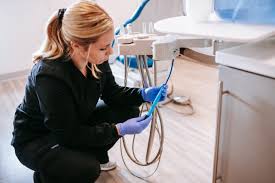
Dental unit waterline (DUWL) maintenance and monitoring remain an area of concern for dental facilities. Agencies such as the CDC, FDA, and ADA have issued guidance for dental offices on maintaining DUWL. It is the recommendation of these agencies that waterlines are to be treated with a disinfectant/chemical and then monitored (tested) to ensure the […]
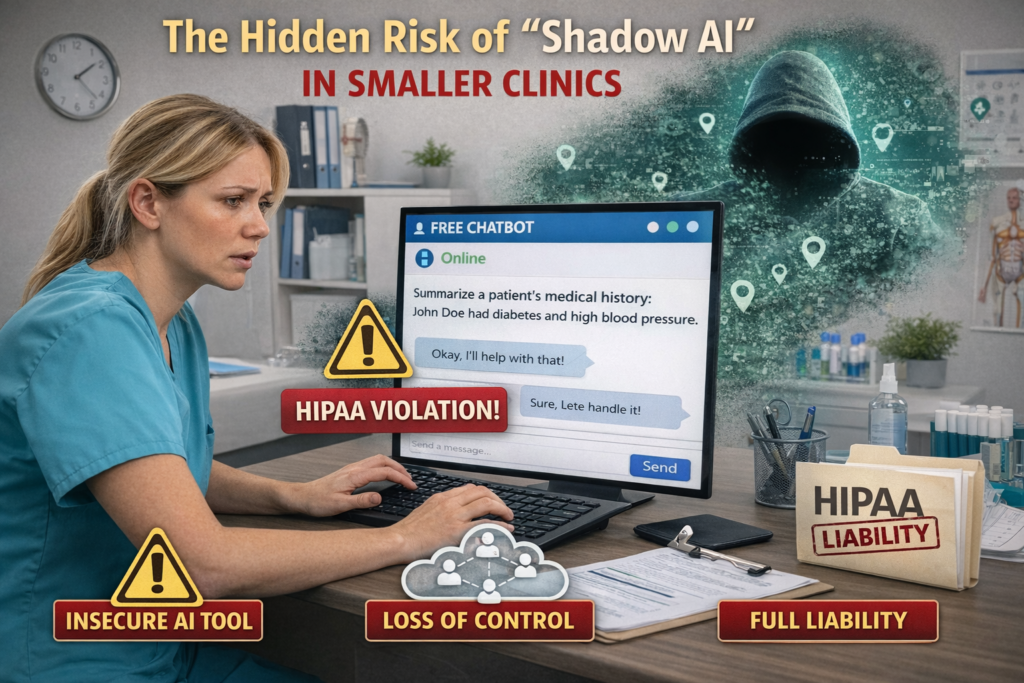
AI tools are becoming common in medical and dental offices to summarize notes, draft emails, or help with office policies. While these tools offer incredible convenience, using them without oversight creates a major privacy risk known as Shadow AI. For smaller practices, Shadow AI is a significant HIPAA problem that can sneak up on you […]
Many medical and dental practices rely on temporary staff to help manage busy schedules, staff shortages, or seasonal increases in patient volume. While temporary employees can be an essential part of maintaining operations, it is important to remember that they must receive the same workplace safety protections as permanent staff, especially regarding exposure to bloodborne […]
Over the past several months, OSHA efforts have accelerated in areas such as heat exposure, ergonomics, workplace violence prevention, and inspection procedures. These developments offer important insight into where workplace safety regulation and enforcement are heading. Heat Safety Heat illness has emerged as a regulatory priority. Its inclusion in rulemaking agendas signals the early stages […]
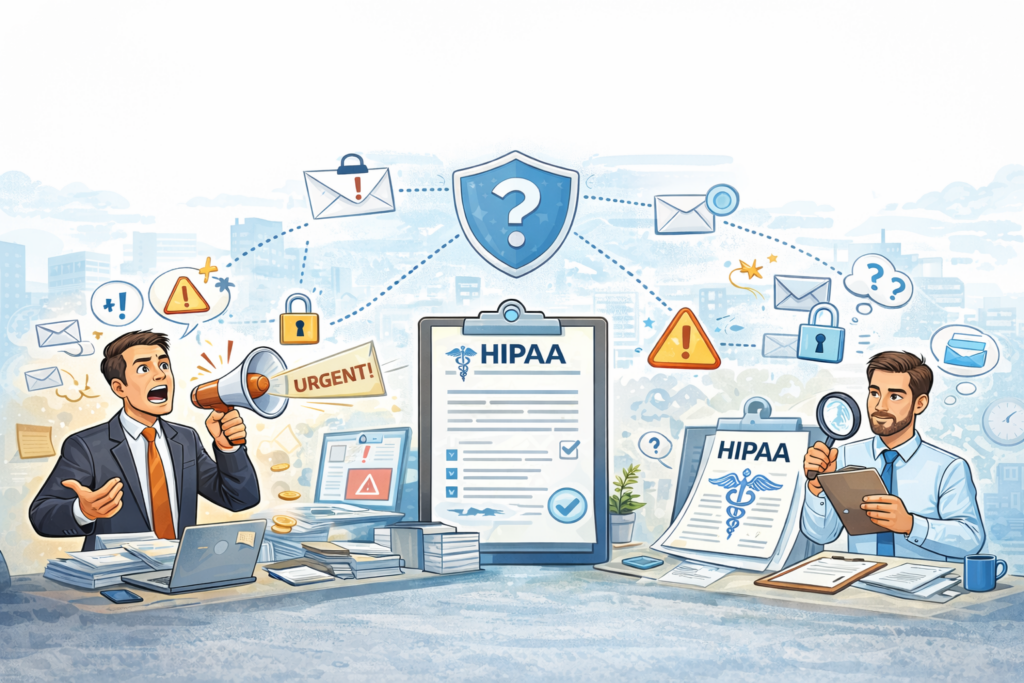
If you work anywhere near healthcare compliance right now, it probably feels like HIPAA is changing every five minutes. Vendors are blasting emails. Consultants are posting urgent LinkedIn takes. Webinars are promising to explain “major HIPAA updates” before it’s “too late.” Let’s slow this way down and separate fact from hype. The NPP Changes Are […]
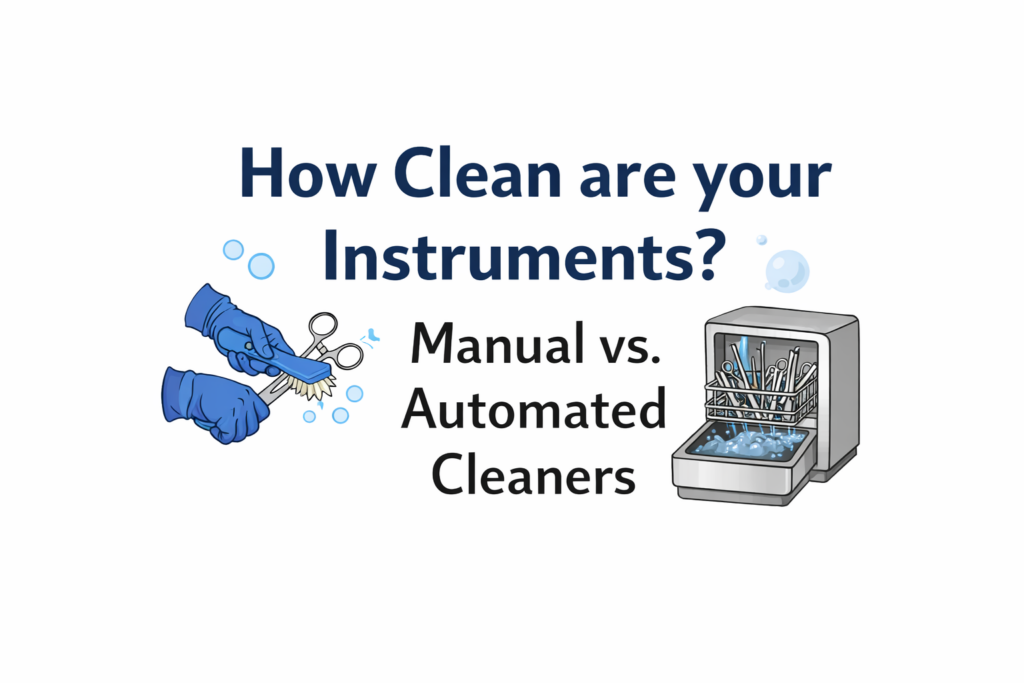
Cleaning medical and dental instruments and devices is the first critical step towards disinfection and sterilization. Cleaning is defined as the removal of foreign material from instruments and items used in any healthcare facility. Meticulous cleaning of instruments is required before high-level disinfection and sterilization can occur. Materials, either inorganic or organic, that are left […]
OSHA’s regulatory agenda for 2026 signals significant changes for employers across multiple industries. While some standards are still in development, the direction is clear: organizations should begin planning now to strengthen safety programs, prevention controls, and documentation practices. Below is an overview of the most impactful anticipated updates — and what employers can do to […]
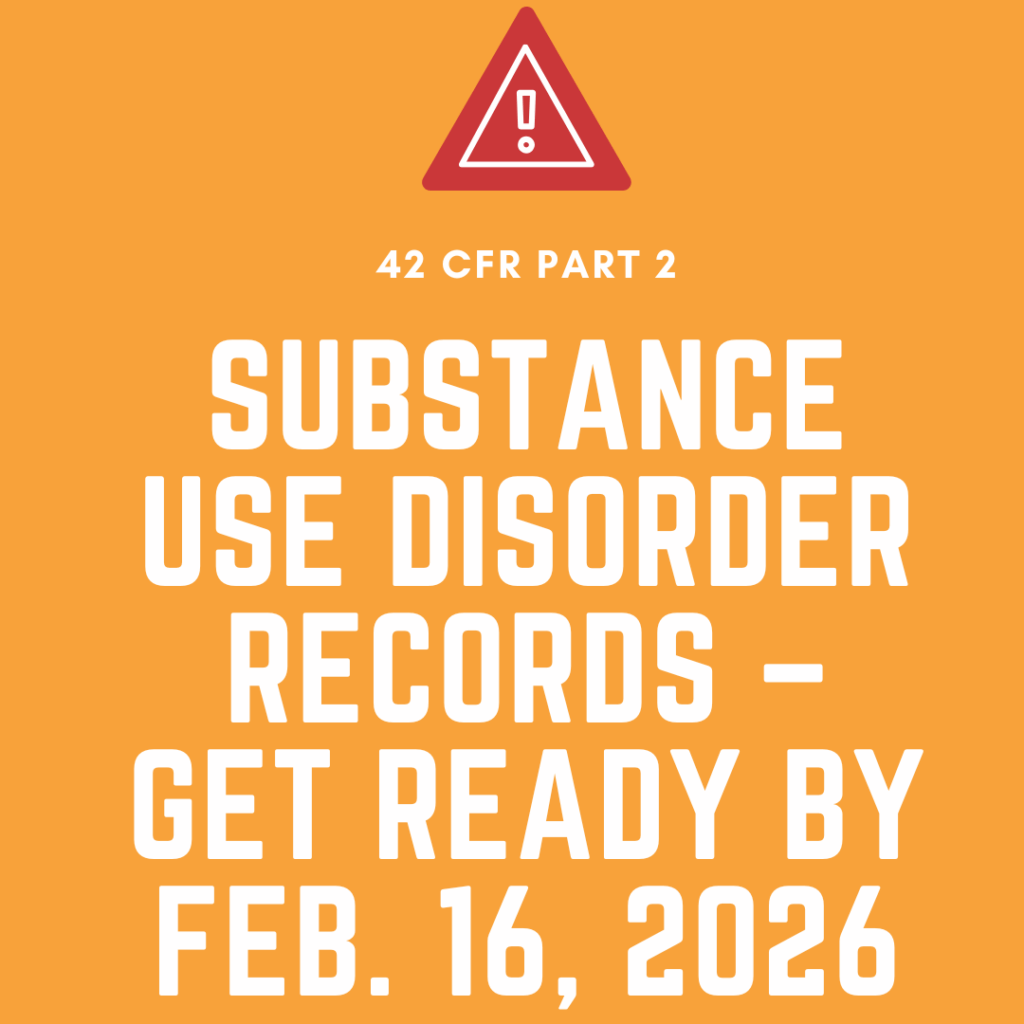
Federal privacy rules for substance use disorder (SUD) treatment records are changing. On February 8, 2024, the U.S. Department of Health and Human Services updated 42 CFR Part 2, the law that governs how these records are handled. While the rule is already in effect, all covered organizations must be fully compliant by February 16, […]
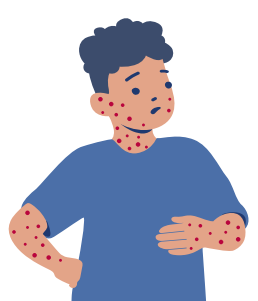
Vaccination is best protection. HCP born before 1957 are considered to have acceptable immunity. However, it should be considered to administer 2 doses of the vaccine unless they have laboratory evidence of disease or immunity. Screen patients upon arrival for any indication of measles. Stay alert for patients with fever and other early signs and […]
When the weather turns colder, many of us instinctively prepare for icy walkways and storm-related risks. But while the hazards around us may change with the seasons, one thing should remain constant: our commitment to safety. Too often, safety is treated as a temporary response to specific conditions, something to “turn on” during busy periods […]